
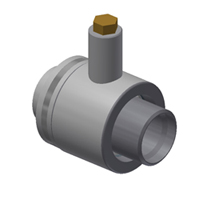
In the world of piping systems, movement is inevitable. Heat expands metal, pressure shifts alignment, and vibration never really takes a day off. The real question isn’t if your system will move, it’s how well it can handle that movement. That’s where flexible ball joints step in, quietly doing the hard work of keeping everything running smoothly.
When Movement Becomes a Problem
Piping systems are often designed with precision, but real-world conditions rarely stay perfectly aligned. Thermal expansion, contraction, and even slight foundation shifts can introduce stress into rigid piping. Over time, that stress can lead to cracks, leaks, or even full system failure.
Flexible ball joints are ideal when your system experiences:
- Angular misalignment between connected pipes
- Rotational movement due to thermal cycling
- Vibration from pumps, compressors, or nearby equipment
Instead of forcing pipes to resist these forces, ball joints allow controlled movement, reducing strain and extending the life of the entire system. If your setup is constantly “fighting itself,” it’s a strong sign that flexibility is missing.
High-Temperature (and Low-Temperature) Demands
Temperature extremes are one of the biggest challenges in industrial piping. Systems that carry steam, hot oil, or cryogenic fluids expand and contract significantly as temperatures fluctuate.
Flexible ball joints shine in these environments because they’re engineered to maintain integrity under both high and low temperatures. They absorb movement without compromising the seal, which is critical for maintaining safety and efficiency.
In thermal piping systems especially, they help:
- Prevent warping and distortion
- Maintain leak-free operation
- Reduce maintenance frequency
If your system cycles between temperature extremes or operates continuously under intense heat, it may be time to explore flexible ball joint solutions that are built for that kind of stress.
When Longevity and Reliability Matter Most
Downtime is expensive, repairs are disruptive, and unexpected failures are even worse. Flexible ball joints are often chosen not just for movement, but for their durability and long service life.
Since they reduce stress at critical connection points, they help protect adjacent components, including valves, pumps, and expansion equipment from premature wear. This makes them a smart investment in systems where reliability isn’t optional.
For tailored solutions and expert guidance about flexible ball joints, reach out to us today.
Recent Comments