
Industrial systems are constantly in motion, even when they appear perfectly still. Pipes expand with heat, contract with cold, vibrate under pressure, and shift as equipment cycles on and off. Without the right flexibility engineered into these systems, stress builds fast, leading to cracks, leaks, misalignment, and costly downtime. That’s where expansion joint technology steps in: quietly absorbing movement, protecting infrastructure, and keeping critical operations running smoothly.
For decades, expansion joints have evolved from simple mechanical components into highly engineered solutions capable of handling extreme temperatures, pressure fluctuations, and demanding industrial environments.
The Science Behind Expansion Joints
Expansion joints are designed to absorb movement caused by thermal expansion and contraction. When metal piping heats up, it expands. When temperatures drop, it contracts. While these shifts may seem minor, they create enormous stress over long distances and repeated operating cycles.
Expansion joints act as controlled flexibility points within a system. Instead of allowing pressure and movement to damage piping or equipment, the joint absorbs motion safely and efficiently. Depending on the application, expansion joints can accommodate:
- Axial movement
- Lateral movement
- Angular rotation
- Vibration isolation
- Pressure balancing
Two of the most trusted technologies in the industry are slip type and ball type expansion joints. Each serves a unique purpose depending on system design and operational demands.
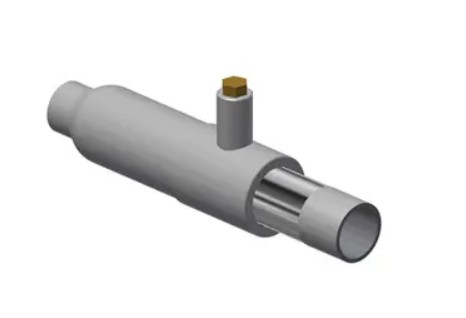
Slip Type Expansion Joints are engineered to handle large axial movements in piping systems. Their telescoping design allows pipes to move back and forth while maintaining a pressure-tight seal. They’re especially valuable in steam and high-temperature applications where thermal growth can be significant.
Ball Type Expansion Joints are built for angular and rotational movement. Using a spherical sealing surface, they allow systems to pivot naturally while maintaining structural integrity. These joints are often used in applications involving vibration, shifting alignment, or complex piping layouts.
Why Modern Systems Depend on Expansion Joint Technology
Today’s industrial facilities operate under tighter tolerances, higher efficiency standards, and more extreme conditions than ever before. Expansion joint technology has become less of an accessory and more of a necessity.
Without properly engineered joints, thermal stress can lead to:
- Premature equipment failure
- Pipe fatigue and cracking
- Seal damage
- Increased maintenance costs
- System shutdowns
Modern expansion joints are designed with advanced materials, precision machining, and specialized sealing systems that dramatically improve performance and longevity. Technologies like high-pressure expansion joints and steam piping expansion solutions help facilities maintain operational reliability even in the harshest environments.
What makes expansion joint engineering especially fascinating is that no two systems are exactly alike. Factors like temperature range, pressure, media type, movement requirements, and installation conditions all influence the final design.
Since 1968, ATS has remained at the forefront of expansion joint innovation by focusing on durability, engineering precision, and real-world performance. If your system demands reliability under pressure, contact us to learn how how the right custom expansion joint solutions can improve efficiency, reduce maintenance, and extend the life of your infrastructure.
Recent Comments